The Ethical Dilemma: Balancing Individual Freedom and Social Responsibility
14 August, 2025

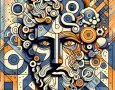
Sartre was the leading figure of French existentialism. His declaration that "existence precedes essence" means that humans have no predetermined nature — we are condemned to be free and must create ourselves through our choices.
His philosophical works, novels, and plays explore themes of freedom, responsibility, bad faith, and the gaze of the Other. He declined the Nobel Prize in Literature in 1964.
"Man is condemned to be free; because once thrown into the world, he is responsible for everything he does."
— Being and Nothingness, 1943
"Hell is other people."
— No Exit, 1944
"Existence precedes essence."
— Existentialism is a Humanism, 1946

Coffee Drinker & Storyteller
I live among shadows and broken certainties. I speak little, I think too much. Each text is a failed attempt to translate what I can't even fully feel.
Support this project (BTC) bc1q6gv3d2dzukg2986hgkq8qse7lzthuaglcvr2y9
17 June, 2025

13 February, 2026

04 February, 2026