The Question
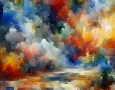
Imagine a world undisturbed by the hum of modern machinery, where each breath you take is filled with the scent of pine and earth. This is not merely a flight of fancy but a genuine inquiry into the essence of our existence. Are we made for the cities we inhabit, or do we belong to the untouched realms of nature? The question beckons us to examine the relationship between humanity and the wilderness, prompting us to question where true freedom lies.
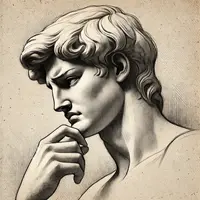
We find ourselves at a crossroads, where the paths of urban life and natural simplicity diverge. The question is not just a choice between the two but a deeper inquiry into the human spirit. Are we, as some suggest, inherently corrupt, requiring the constraints of society to guide us? Or does our true nature flourish when we are in harmony with the natural world? This letter seeks to explore these dimensions, inviting you to ponder your own place within the tapestry of life.
First Position
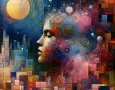
Consider the bustling city, a testament to human ingenuity and progress. It is a place where ideas converge and cultures blend, fostering innovation and creativity. Here, one might argue, lies the true embodiment of human potential. In cities, we have built monuments to our achievements, from towering skyscrapers to sprawling networks of connectivity. These are the fruits of civilization, harvested through collective effort and social organization.
The city, with its structured environment and societal norms, offers a framework within which individuals can thrive. It provides the security and resources necessary for personal growth and intellectual pursuit. In this view, society is not a constraint but a facilitator of human excellence, molding the raw material of human nature into something greater. As we walk its streets, we are reminded of the power of community and the achievements that follow when we act in concert.
Counter Position
Yet, in the shadow of these towering structures, another voice calls. It is the whisper of the wild, the reminder of a simpler existence that resonates with the core of our being. In nature, we find a truth that predates the cities, an authenticity untainted by artifice. Here, among the trees and rivers, our minds unclutter, and our hearts find peace. It is a realm where the soul is free to roam, unburdened by the demands and expectations that city life imposes.
There is a profound wisdom in the natural order, a balance that speaks to the harmony we might achieve if we listen closely. Amidst the rustling leaves and the flowing streams, one might argue that humanity's truest expression is found. This view posits that the constraints of society distort our nature, trapping us in roles and rules that alienate us from our essence. To live in accordance with nature is to reclaim a freedom lost to the structures we have built.
Synthesis
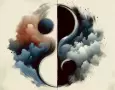
These positions, seemingly at odds, offer us a profound insight: perhaps it is not about choosing one over the other but finding a way to integrate both. What if the city could embrace the ethos of the wild, fostering spaces within its confines that allow nature to flourish? Urban gardens, parks, and green roofs are nascent steps toward this integration, suggesting a future where the boundary between the built and the natural is less rigid.
In this synthesis, we find a vision that honors both the achievements of human civilization and the wisdom of the natural world. It is an invitation to create a society that supports individual freedom while nurturing the environment that sustains us. By blending the best of both worlds, we might discover a new form of liberty, one that is rooted in balance and mutual respect between humanity and nature.
What Remains Open
Despite this harmonious vision, questions persist. How do we navigate the practical realities of integrating nature into urban life? What sacrifices must we make, and what innovations are required to bridge the gap between these worlds? The dialogue between civilization and nature is an ongoing conversation, full of challenges and opportunities.
As we ponder this integration, we must also reflect on our personal relationship with both realms. Do we seek nature as an escape, or can we find ways to incorporate its principles into our daily lives? The journey to answer these questions is unique to each of us, inviting introspection and a reevaluation of our values and priorities.