The Human Condition
The perennial question of what it means to be human sits at the heart of philosophical inquiry. In our modern world, filled with unprecedented technological and social change, this question takes on new urgency. We live in an age where the resources for distraction are infinite, yet we often feel an unnameable emptiness. This incongruity—a relentless pursuit of external fulfillment in a world that never satisfies—highlights the timelessness of the human condition.
At its core, the human condition grapples with desires and the inevitable dissatisfaction that follows their fulfillment. This cycle can seem inescapable; each desire, once satisfied, gives birth to new cravings. This pattern might resonate with anyone who has reached a long-sought goal only to find the satisfaction fleeting. It calls into question the nature of happiness and whether it is a destination or an ongoing journey.
Facing the Void
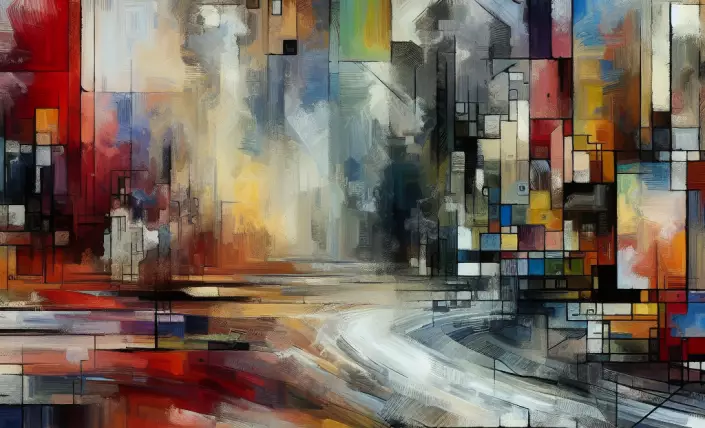
The modern world confronts us with what might be termed 'the void': a deep-seated anxiety about the absence of inherent meaning in life. This sense of void is not new, but perhaps more pronounced as old certainties erode and new complexities arise. Consider the experience of standing in an art gallery, surrounded by works that defy easy interpretation. The absence of clear meaning in these pieces can mirror the broader existential uncertainties we face.
In facing the void, we are challenged to consider whether meaning is something we discover or something we create. The void invites us to reckon with the possibility that much of what we seek may not exist outside our own frameworks of understanding. It asks us to confront our fears and anxieties, to sit with them, and perhaps find within them the seeds of personal growth and understanding.
Creating Meaning
While the void might suggest a bleak outlook, it also opens up possibilities for creating meaning. In a world that often seems devoid of intrinsic purpose, the act of crafting meaning becomes not just a philosophical task but a vital human endeavor. This creation can take many forms: forming deep relationships, engaging in meaningful work, or cultivating personal interests that align with our values.
Consider the role of art and music, which can express emotions and ideas that words alone cannot capture. This creative expression provides a means to connect with others and with deeper aspects of ourselves. It is through such pursuits that we can carve out spaces of meaning amidst chaos, finding solace and inspiration in the act of creation itself.
Living Authentically
To live authentically is to engage fully with both the potential for meaning and the reality of the void. This involves a commitment to understanding oneself—our desires, our fears, and our values—and to act in accordance with this self-understanding. It means resisting the temptation to conform to societal expectations that do not resonate with our authentic selves.
Authenticity requires courage, particularly in a world that often rewards conformity. It might involve making difficult choices, such as pursuing a career that aligns with our passions rather than one that simply offers financial security. In living authentically, we acknowledge the complexity of our human condition and embrace it with integrity and grace.