The Observation
In the frenetic pace of contemporary life, certainty is a prized possession. We find ourselves clinging to concrete assurances in everything from career paths to personal relationships. The digital age, with its relentless stream of information, paradoxically amplifies this desire for solid ground even as it inundates us with diverse perspectives and seemingly disparate truths. Yet, amidst this quest for certainty, there is a growing awareness that reality is not as fixed as it seems. Consider the phenomenon of echo chambers on social media, where algorithms reinforce our existing beliefs, giving the illusion of stability while the broader world remains ever fluid and shifting.
This modern predicament resonates with an age-old philosophical insight: the recognition of the fluidity and interdependence of all things. Our insistence on definitive boundaries and unchanging truths leads to a kind of existential rigidity. In the realm of politics, for instance, this can manifest as polarized worldviews where deviation from the established stance is seen as betrayal. Similarly, in personal identity, we often define ourselves through static labels, limiting the richness of our human experience. What, then, if we were to entertain the notion that reality, in its essence, is far more nuanced and interconnected than our binary thinking allows?
The Insight
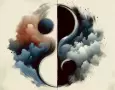
The ancient philosopher Nagarjuna offers a profound perspective that speaks directly to this contemporary tension. His philosophy, often summarized through the concept of 'emptiness,' is not a nihilistic void but a reminder of the interdependent nature of existence. Emptiness, in this sense, is the recognition that things do not possess inherent essence outside of their relationships and contexts. This is not to suggest that things are unreal, but rather that their reality is contingent and dynamic. Just as a wave is inseparable from the ocean, our own identities and truths are a dance of form and emptiness.
Applying Nagarjuna's insight to modern life, we can see the potential for a radical shift in perception. Embracing emptiness means acknowledging that our fixed positions and identities are more porous than we might like to admit. This shift can foster a more flexible and compassionate view of the world, encouraging us to approach differences with curiosity rather than fear. It invites us to see our own stories not as rigid scripts but as evolving narratives shaped by countless interactions and influences.
The Implication
What would it mean to live in accordance with this understanding of emptiness? Practically speaking, it could transform how we navigate conflict, both personal and societal. If we acknowledge the fluidity of our positions, we might engage in dialogue with an openness to change, rather than a desire to conquer. This mindset has profound implications for everything from international diplomacy to interpersonal relationships, where the goal shifts from winning to understanding.
Moreover, this philosophy encourages a deeper resilience. In a world where change is the only constant, embracing the dance of form and emptiness equips us to adapt and thrive amidst uncertainty. It allows us to find peace not in the illusion of certainty but in the acceptance of life's inherent unpredictability. This approach does not diminish the importance of personal convictions or societal goals but reframes them as part of an ongoing conversation rather than an unyielding decree.