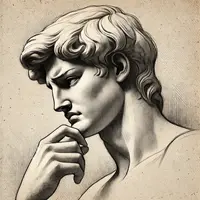

In the grand theater of existence, we are all actors bound by the immutable laws of time and mortality. This inescapable truth, often seen as a grim reminder of our limitations, can paradoxically serve as a profound source of liberation when examined through the lens of Seneca's philosophy. The Stoic thinker provides us with a timeless framework that encourages a re-evaluation of our relationship with time and mortality, urging us to live not as passive spectators but as active participants in our own lives.
At the heart of Seneca's philosophy is the notion that time is our most precious resource. Unlike wealth or status, which can fluctuate and deceive, time vanishes irretrievably. Seneca implores us to seize the day—carpe diem—not in the hedonistic sense of indulgence but as a call to meaningful action and reflection. This perspective invites us to contemplate deeply: how do we spend our days, and are those activities in alignment with our true values and aspirations? By facing the inevitability of our own mortality, we are prompted to prioritize our pursuits, engage deeply with our passions, and foster relationships that enrich our existence.
Moreover, Seneca's insights into death and time challenge us to embrace the present moment. In a world dominated by distractions and the relentless pursuit of future goals, we often find ourselves trapped in a cycle of deferral, postponing happiness for a later date that may never come. Seneca's wisdom calls us to break this cycle, to live with intention and awareness. By acknowledging the finite nature of our lives, we can cultivate a profound sense of gratitude and presence, transforming each moment into an opportunity for growth and fulfillment. This conscious engagement with the present not only enhances our personal well-being but also fosters a deeper connection with the world around us, grounding us in the here and now.