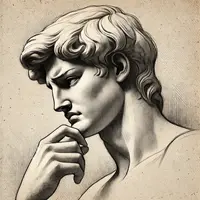

In an era where progress is often equated with casting aside the old in favor of the new, the philosophical musings of Russell Kirk invite us to pause and ponder the invisible threads that bind our present to the past. Kirk, a profound thinker in the realm of conservatism, cautions against the wholesale abandonment of tradition. He challenges us to recognize the enduring wisdom embedded in the customs and conventions that have withstood the test of time. This is not merely a nostalgic clinging to the past but a thoughtful examination of the role tradition plays in shaping our identities, values, and communities.
Kirk's philosophy posits that tradition is not an inert relic; rather, it is a dynamic force that provides continuity and stability in a rapidly changing world. Tradition, according to Kirk, is the collective wisdom of countless generations, distilled into practices and norms that guide human behavior and social interaction. By adhering to tradition, individuals are not shackled by the past but are instead empowered by a reservoir of historical insight that informs moral and ethical decision-making. This perspective encourages us to see tradition as a living dialogue between the past and the present, where ancient truths are continually reinterpreted to address contemporary challenges.
Moreover, Kirk suggests that tradition offers a counterbalance to the often capricious nature of human desires and the fickle trends of modernity. In a society that prizes innovation and individualism, the constraints of tradition can appear stifling. However, Kirk argues that these constraints are not arbitrary limits but rather frameworks that nurture a deeper understanding of freedom. True freedom, in Kirk's view, is not the license to do as one pleases without consequence, but the ability to pursue the good, the true, and the beautiful within a structured and meaningful context. By embracing tradition, individuals can cultivate virtues that foster personal growth and communal harmony.
In reflecting upon Kirk's ideas, we are invited to reconsider the role of tradition in our own lives. Are we too quick to dismiss the past in our quest for progress? Have we lost sight of the enduring values that tradition seeks to preserve? By engaging with these questions, we may uncover a deeper appreciation for the wisdom of our ancestors and a renewed commitment to the principles that underlie a just and flourishing society. In doing so, we not only honor the past but also enrich the present and lay a foundation for a hopeful future.