
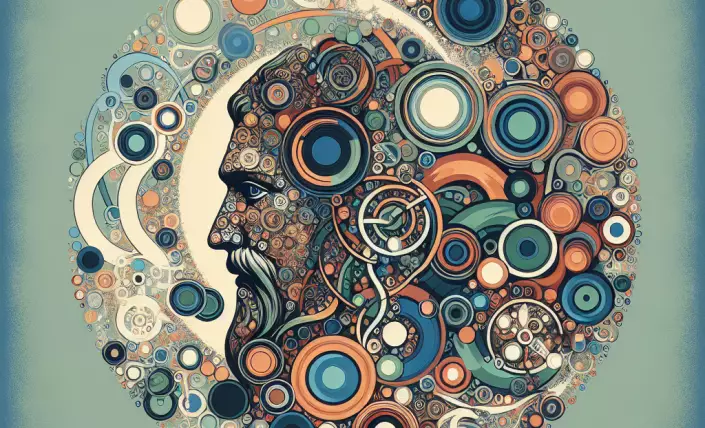
In an era dominated by technology and rapid change, the question of what truly nourishes the human spirit becomes more pressing than ever. This is where the philosophy of beauty, as articulated by thinkers like Roger Scruton, invites us to pause for reflection. Scruton, a staunch advocate for the place of beauty in human life, challenges us to reconsider our relationship with the aesthetic realm. His reflections suggest that beauty is not a mere luxury or an optional embellishment of our lives, but rather a fundamental aspect of what it means to be human.
Scruton posits that beauty plays a crucial role in shaping our moral and emotional landscapes. He argues that beauty has the power to reveal truths about the world and ourselves that might otherwise remain hidden. This notion is particularly compelling in a time when the onslaught of information often overwhelms our senses and numbs our capacity for genuine insight. Through engaging with beauty, whether in art, nature, or human relationships, we are encouraged to cultivate virtues such as patience, humility, and empathy. These are not merely aesthetic responses; they are moral orientations that can profoundly impact how we live our lives and interact with others.
Moreover, Scruton warns against the dangers of living in a culture that dismisses beauty as irrelevant or subjective. He suggests that when we neglect the pursuit of beauty, we risk impoverishing our souls. The consequences are evident in the sterile environments we often create, both physically and emotionally. In contrast, when we embrace beauty, we open ourselves to a richer, more meaningful existence. Beauty invites us to transcend the mundane and to aspire to something greater, fostering a sense of belonging and purpose that is indispensable to the human condition. In this light, Scruton’s philosophy of beauty serves as a poignant reminder that, amid the chaos of modern life, the quest for beauty is not only relevant but essential to our well-being and fulfillment.